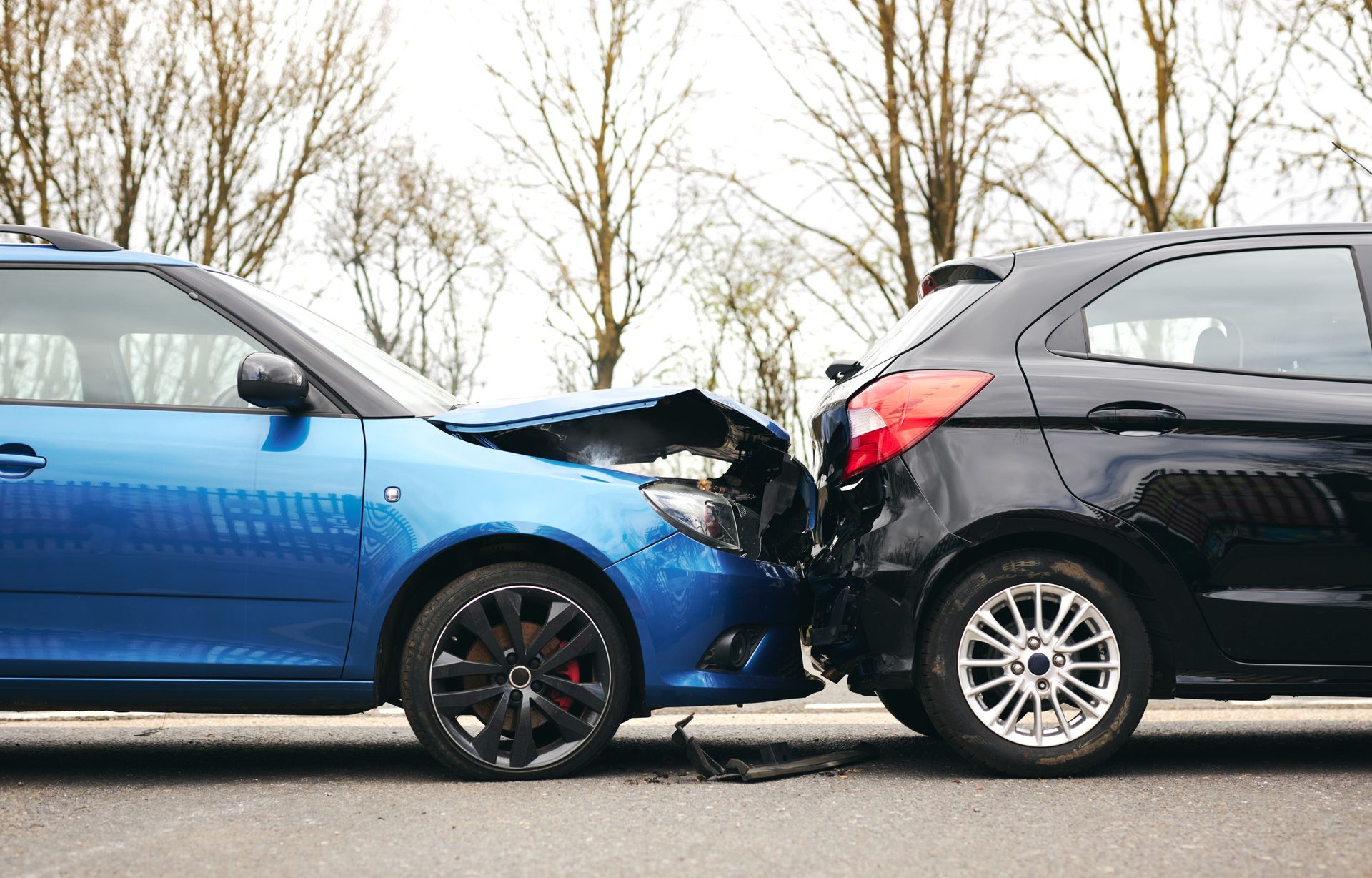
Photos You Must Take After a Car Accident in Apollo Beach, FL

Jim Curtis • February 3, 2026

Jim Curtis, Apollo Beach Personal Injury Attorney, explains the photographs you need to take after an accident to set yourself up for success.


For more legal tips, visit my YouTube channel @jimthelawyer.


The difference between winning your Florida car accident case and walking away with nothing might be sitting in your pocket right now—on your camera roll. Most people snap one blurry photo of a dented bumper in an Apollo Beach parking lot and think they’re covered. That is a huge mistake.


Clear, detailed photos taken at the scene can make or break your claim in Apollo Beach, Ruskin, Riverview, Gibsonton, Wimauma, Parrish, Palmetto, and greater Tampa Bay.


As a local Apollo Beach car accident lawyer, I see the same problem over and over: by the time someone calls me, cars are repaired, skid marks have faded, and businesses have already recorded over crucial surveillance footage. If you are physically able and it is safe to do so, there are four specific photo sets you should capture before you leave the scene.


Why Photos Matter So Much After a Hillsborough County Crash


Insurance companies and defense attorneys often argue that the crash “wasn’t that bad” or that you couldn’t have been seriously hurt because the property damage “looks minor.” Well‑taken photos can help to shut those arguments down.


Crash‑scene photos help:


•       Preserve how the Apollo Beach scene actually looked before anything is moved


•       Show the force and direction of impact for collisions on US‑41, I‑75, Big Bend Road, and Apollo Beach Boulevard


•       Lock in weather, lighting, construction, and traffic conditions at key intersections


•       Give accident reconstruction experts what they need to analyze speed, braking, and fault


Hillsborough County sees tens of thousands of crashes every year, with dozens happening on an average day, so documenting your crash properly is critical.


Photo Set #1: All Vehicles Involved in the Apollo Beach Accident


Most drivers zoom in on their own bumper, snap one close‑up, and stop. Instead, start with a wide‑angle story of every vehicle involved.


In and around Apollo Beach, that might mean cars, pickup trucks, motorcycles, golf carts, or commercial vehicles. Be sure to capture:


•       Each vehicle from all sides (front, back, driver’s side, passenger’s side)


•       Close‑ups of visible damage and crumple zones


•       License plates and company logos or DOT numbers on work trucks


•       The position of vehicles relative to each other and the roadway, including nearby landmarks


If the at‑fault driver later claims they “barely tapped you” at a light near the Mirabay or Waterset communities, but your photo shows their front end crushed and your rear bumper pushed in, that image is powerful evidence of the true force of impact.


These photos also help your medical providers in Tampa Bay understand the trauma your body experienced and support your claim for neck, back, and other soft‑tissue injuries. When you contact Jim The Lawyer for a free case review, vehicle photos are usually among the first pieces of evidence we ask you to send.


Photo Set #2: Roadway Evidence on US‑41, I‑75, and Local Streets


Next, look down. The roadway itself often tells a story that may disappear within hours. This is especially true on busy Hillsborough County roads like US‑41 and I‑75, where traffic and weather quickly erase clues.


Photograph:


•       Skid marks or tire tracks leading up to the impact


•       Areas of broken glass, plastic, or metal


•       Debris fields showing where parts landed across lanes


•       Fluids on the ground from leaking vehicles


Skid marks are particularly important. Crash reconstruction experts can use their length, direction, and location to estimate speed, reaction time, and when the other driver hit the brakes. Florida rain, street sweepers, and normal traffic can erase this evidence quickly, which is why your photos might be the only record of what was on the road that day.


If your collision happened near the Big Bend Road interchange, around local shopping centers, or on neighborhood streets in Apollo Beach or Ruskin, roadway photos can help establish that the other driver was speeding, following too closely, or failed to stop in time.


Photo Set #3: Surrounding Conditions in Apollo Beach and Tampa Bay


Now, look around the crash scene. The environment where the collision happened matters just as much as the cars.

Take pictures of:


•       Street signs (stop, yield, speed limit), traffic lights, and turn arrows


•       Lane markings, crosswalks, and bike lanes


•       Construction zones, lane closures, cones, and barriers


•       Trees, bushes, fences, parked vehicles, or signs that might block a driver’s view


Insurance companies love to blame “conditions” instead of their driver: confusing intersections, blocked signs, or poor visibility. Your photos show exactly what visibility was like at the moment of the crash in Apollo Beach, Riverview, Gibsonton, Parrish, or Palmetto.


For example, if a tree partially blocked a stop sign in a subdivision off Apollo Beach Boulevard, a well‑framed photo of that obstruction can support your version of events and help your attorney argue why the other driver is at fault.


If you want more tips on protecting your claim after a crash, visit our Videos page for short educational clips.

Photo Set #4: The “Secret Witness” – Local Surveillance Cameras


The final set is the one almost everyone forgets: nearby buildings and possible cameras.


After you’ve documented the vehicles, road, and surroundings, slowly scan the area and photograph:


•       Storefronts, gas stations, and restaurants along US‑41 and I‑75


•       Apartment complexes, gated communities, and office buildings


•       Homes with visible doorbell cameras or security systems


In Apollo Beach and the rest of Tampa Bay, many businesses and homeowners have cameras that may have captured the entire crash. A gas station on US‑41, a restaurant at a busy Big Bend intersection, or a residence with a smart doorbell may be the “secret witness” that proves exactly how the collision occurred.


If you bring these photos to Jim The Lawyer, my team can quickly reach out to those businesses or homeowners and request that they preserve the footage before it is automatically deleted or recorded over.


For a deeper dive into how crash photos help investigators analyze collisions, you can review this research on crash‑scene photography from the National Highway Traffic Safety Administration (NHTSA).


Safety First: Only Take Photos When It’s Safe


All this evidence is important, but your safety always comes first. If you are seriously injured, trapped in your vehicle, or traffic is still moving around the crash, do not put yourself at risk just to take pictures. Call 911, get emergency medical help, and let law enforcement and first responders secure the scene.


If you’re stable and it’s safe, you can ask a passenger, friend, or even a bystander to help you take photos on Big Bend Road, Apollo Beach Boulevard, or anywhere else in Hillsborough or Manatee County. The goal is simply to preserve the truth of what happened.


What To Do With Your Apollo Beach Crash Photos


Once you’ve taken these four photo sets:


•       Back them up to cloud storage or email them to yourself so you don’t lose them if your phone is damaged.


•       Write down the date, time, and exact location of the accident, including nearby intersections or landmarks.


•       Schedule a free consultation with a local Apollo Beach car accident lawyer to review your photos and discuss your rights.


You can contact Jim The Lawyer through our Contact Us page or by calling the number listed on our homepage. We’ll review your images, explain how Florida law applies to your situation, and take steps to gather additional evidence like crash reports, witness statements, and surveillance video.


Talk With a Local Apollo Beach Car Accident Lawyer Today


If you’ve been injured in a car accident in Apollo Beach, Ruskin, Riverview, Wimauma, Parrish, Palmetto, Brandon, or anywhere in the Tampa Bay area, don’t rely on one quick bumper photo to protect your case. Detailed, strategic crash‑scene photos can be the difference between a lowball offer and a fair recovery for your medical bills, lost wages, and pain and suffering.


Call (813)937-9907 today for a free case review with an experienced Apollo Beach car accident lawyer who understands our local roads, intersections, and insurance tactics.
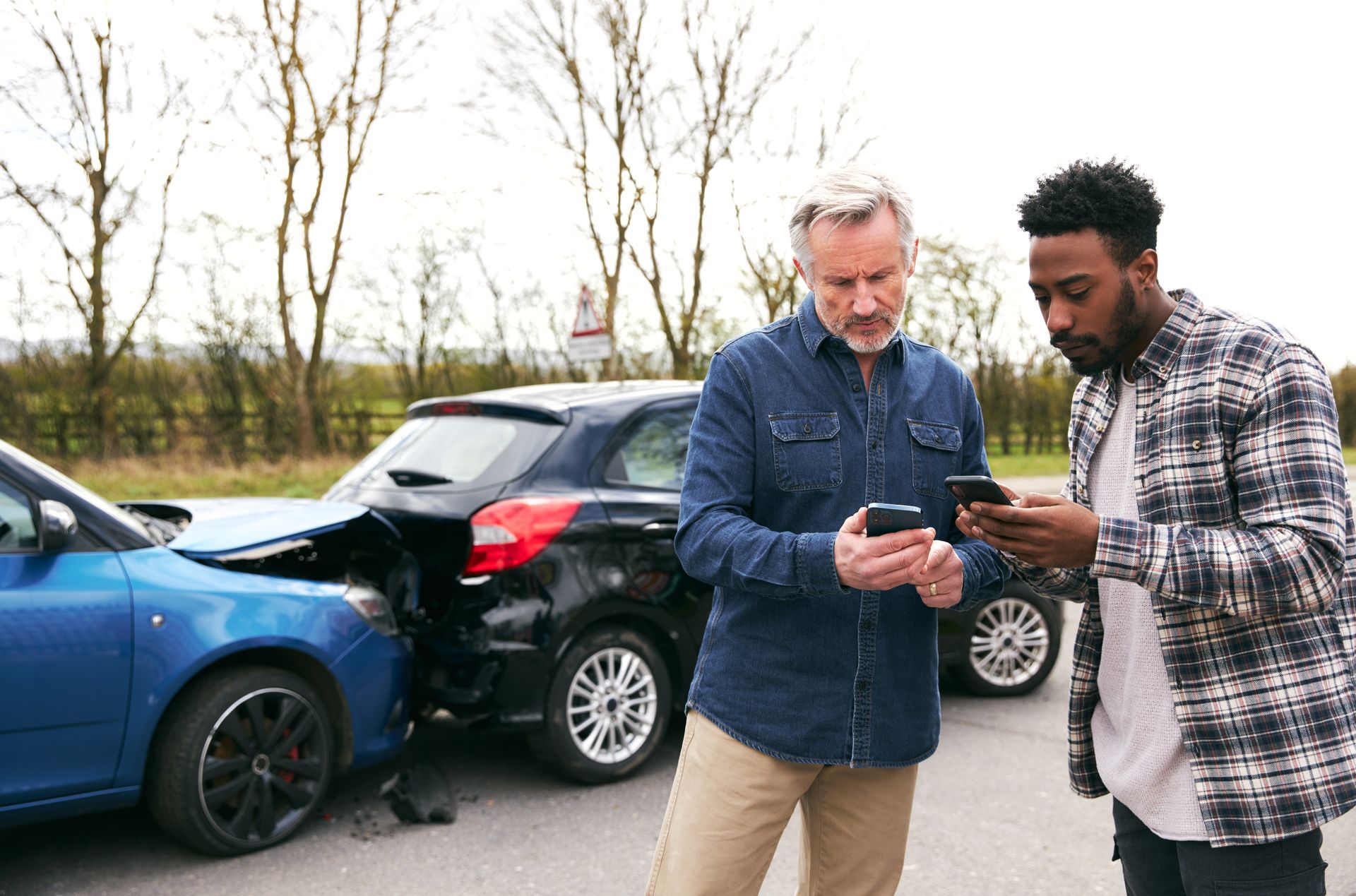
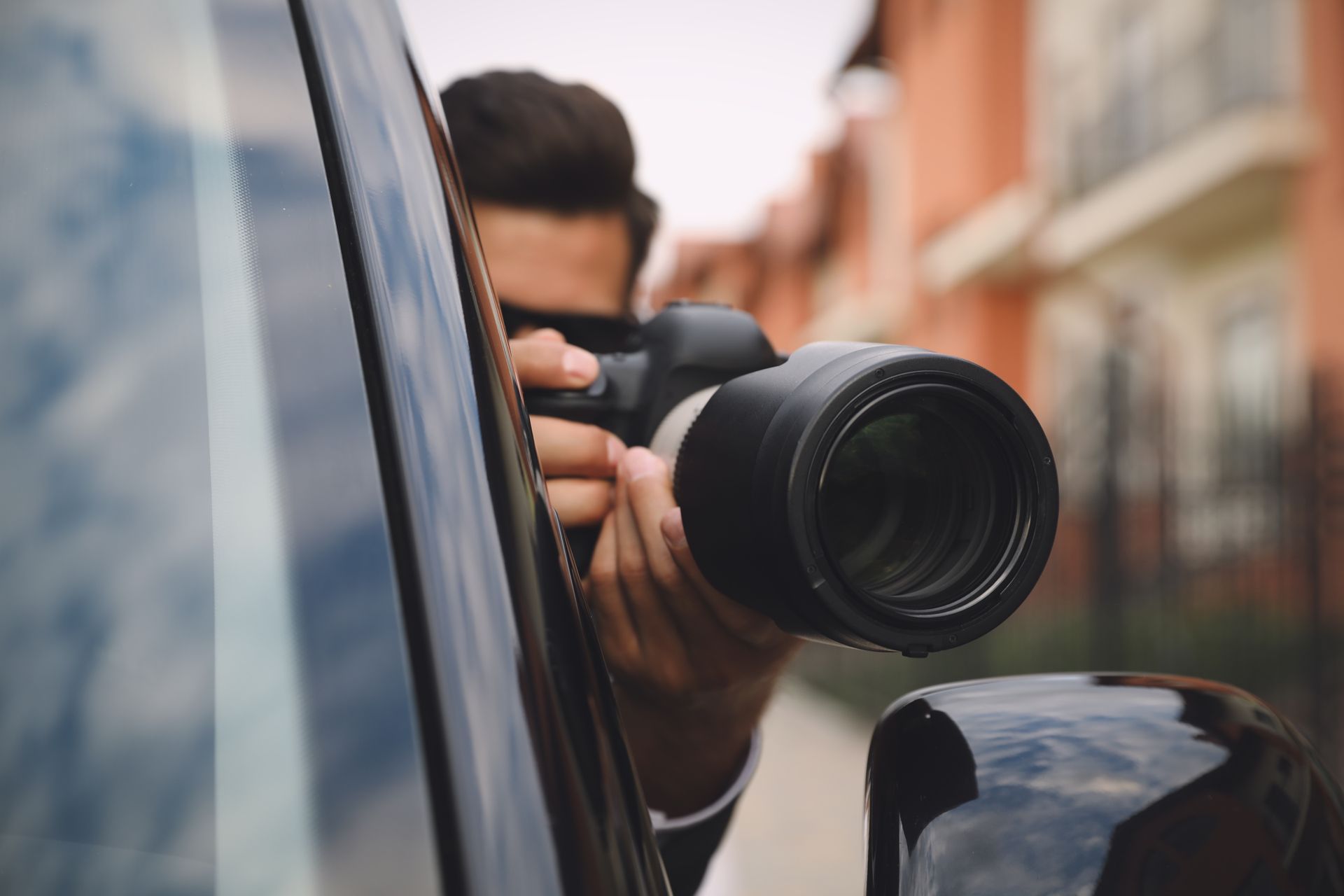


By Jim Curtis February 17, 2026
Worried you’re being watched after a Tampa Bay accident? Learn how Apollo Beach injury victims can handle insurance surveillance and protect their claims.
Rear‑ended or hurt in an Apollo Beach crash? Learn why the first insurance settlement offer is a low
By Jim Curtis February 10, 2026
Rear‑ended or hurt in an Apollo Beach crash? Learn why the first insurance settlement offer is a lowball and how Jim The Lawyer, PA can help.
By Jim Curtis January 27, 2026
Apollo Beach car accident? Learn when to choose the ER or chiropractor and protect your Florida PIP benefits with Jim The Lawyer.
By Jim Curtis January 20, 2026
Learn 3 common insurance adjuster lies after a Florida crash and how an Apollo Beach injury lawyer can protect your settlement and your rights.
By Jim Curtis January 13, 2026
Not all personal injury lawyers are the same. Learn what accident victims in Apollo Beach should know before hiring a lawyer after a car accident.
By Jim Curtis January 8, 2026
Injured in a rear-end crash in Ruskin or Tampa Bay? Learn who’s at fault under Florida law, key exceptions, and how compensation is determined.
By Jim Curtis January 6, 2026
Learn what happens after you accept a personal injury settlement in Florida, including payment timelines, medical bills, liens, and how much you actually receive.
By Jim Curtis April 8, 2025
Do I Have to Call the Police After a Car Accident in Florida? There is nothing more inconvenient than being in a car accident. That’s why many people don’t even wait around to call the Police after one occurs. But is this legal? The answer depends on the circumstances of the crash, but understanding the legal requirements and practical implications can help you make an informed decision in an otherwise stressful situation. Florida’s Legal Requirements for Reporting Car Accidents Florida law requires you to file a police report if your crash meets any of the following criteria: · If there is any injury or fatalities · When there is property damage exceeding $500 · Hit-and-Run situations · If there is suspicion of impaired driving · The accident involved a commercial vehicle · A vehicle needs to be towed from the scene Failure to report your accident in such a case could potentially result in criminal penalties. However, although the law requires a report of the crash if any of these criteria are met, the law does allow drivers up to 10 days to file a crash report with local authorities if they did not call the police at the scene. This obviously would not apply in the case of injury or fatality, or if a driver is impaired. These should be reported immediately. Regardless of the situation, it is always best practice to call the Police after a car accident. Why You Should Call the Police Even When You’re Not Legally Required to Do So There are number of reasons why you should still call the Police after a car accident even if you don’t meet any of the criteria that would legally require you to do so. The reasons include: There is Less Chance for Conflicting Stories When information is gathered quickly at the scene of an accident by the Police, it can then be preserved and there is less chance that it can be misconstrued in the future. People also tend to be more forthcoming at the scene when talking to the Police. However, when given time to think about it, stories often change, especially if a person knows that a claim is being pursued against them. Calling the Police and getting a report can help prevent this happening. Document the Accident The Police Report is the best place to document your accident right after it happened. Unlike merely exchanging information with the other driver, having the Police obtain a statement from all parties involved as well from any eyewitnesses is crucial for any subsequent insurance claim. The Police will often also assign fault to a party, which can be useful in a subsequent claim as well. Document Your Physical Complaints The Police Report is your first opportunity to document any physical complaints that you may have, while still at the scene of the accident. This is very important, especially if you’re unable to seek medical treatment right away. In such a case, without a Police report documenting your complaints, the insurance company may question whether you were even hurt in the accident, especially if it took 4-5 days for you to get in to see a doctor. When You Might Choose Not to Call the Police Although it is always best to call the Police after a Florida car accident, there are times where it may not be imperative that you do so. One such situation would be in the case of a minor accident with no injuries. If the crash is minor and all vehicles are driveable, and nobody is complaining of any injury, waiting around for the Police to show up and take down your information may not be necessary – as long as you still take steps to properly document your accident. Those steps should include: · Exchanging Information: Take a photo of the other driver’s license and make sure to get insurance information. · Take Photographs: If you are not going to call the Police after your accident, it is even more important that you document the crash by photographs. Be sure to take photos of the scene of the accident, and of the damage to all of the vehicles involved in the crash. · Witness Statements: If there are witnesses to your accident, ask for their names and phone numbers so you can get a statement from them later, if necessary. From here, contact a lawyer if you have any questions about filing an insurance claim, or if you begin to feel pain and believe that you may have been injured. Challenges in Pursuing an Insurance Claim Without a Police An insurance company will question everything after an accident. This is especially true if there is no Police Report. Without a Police Report, there is a good chance that liability may be disputed, as there is likely to be conflicting stories from each driver. The Police will investigate the crash and determine who they believe caused the accident. This can help if there are conflicting versions of what happened. Another challenge is in proving that your injury is related to the accident, and not to something else. Without a Police report documenting your complaints, the insurance company may dispute your injuries and their relation to the crash. This is especially true if you don’t seek treatment right away. Call Florida Car Accident Attorney, Jim The Lawyer, for Legal Help Hiring an experienced car accident lawyer can make all the difference in the outcome of your Florida car accident case. If you’ve been injured in a Florida car accident, Jim The Lawyer is here to help you fight to get the maximum compensation you deserve for your injury.  Contact Jim The Lawyer, Accident and Injury Attorney, at (813)937-9907 for a FREE Consultation and Case Evaluation.
By Jim Curtis April 1, 2025
Riverview, Florida is one of the fastest growing areas in Hillsborough County. With this rapid population growth comes increased traffic congestion. This has made some areas of Riverview notorious for accidents. Below are some of the most dangerous roads and intersections in this region. Top Dangerous Roads and Intersections 1. U.S. 301 and Gibsonton Drive This is one of the most highly congested intersections in Southern Hillsborough County. Over a 15-month period, there were 95 reported crashes at this intersection. This is due not only to congestion, but also due to aggressive driving and frequent left-turn accidents. 2. U.S. 301 at Big Bend Road This is another very highly congested intersection during most times of day. The combination of speeding vehicles, failure to yield and poor visibility contributes to the danger of this intersection, which saw 86 accidents over a 15-month period. 3. Big Bend Road and Summerfield Boulevard Although this intersection is nestled in a residential community, it has accounted for 97 crashes within a 16-month period, with 14 serious injuries or fatalities. This intersection is dangerous due to its location which is known for speeding vehicles, and there is also very poor visibility for those making left-hand turns. 4. Big Bend Road and Summerfield Crossing Boulevard Located right down the street from Summerfield Boulevard is this equally dangerous intersection. Aggressive lane changes and insufficient signage are common issues contributing to the dangers present at this intersection. Over a 16-month period, there have been 92 crashes reported at this location. Common Causes of Car Accidents in Riverview, FL While many factors can cause a car accident, some of the most common causes of car accidents in Riverview, Florida include: · Failure to Yield : mostly occurring during the course of left-hand turns and due to drivers misjudging gaps in traffic; · Speeding: given the number of lanes of travel on roads such as U.S. 301, speeding has become a common occurrence in the Riverview, Florida area; · Poor Visibility: many intersections lack sufficient signage and become partially blocked to visibility due to overgrown landscaping; · Distracted Driving: texting and talking on mobile devices is problem on all roadways and is a significant contributor to accidents. Top 4 Things You Need to do After a Riverview, FL Car Accident Thankfully, car accidents are not a common occurrence for most people. However, when one occurs, it’s important to know what to do to best preserve your accident claim. Here are the top four things you should do after a Riverview, Florida car accident: 1. Prioritize Safety The first thing you should after an accident is to make sure that everyone in your vehicle is safe. If your vehicle is in a place of danger, move it to safety to avoid a secondary collision if possible. Then be sure turn on your hazard lights to ensure that your vehicle is visible to oncoming motorists. 2. Call 911 Calling the Police after a Riverview, Florida car accident is important for several reasons. First, the Police will document the crash and all parties involved, and conduct their investigation as to who is at fault for the crash. Second, the crash report that the Police will prepare documenting your crash will be your first opportunity to document any physical complaints you may have while you are still at the scene of the crash. This will be important for the insurance company to see and will help prevent any argument the insurance company may make that your injuries were not caused by the crash. 3. Take Photos Although the Police will be documenting the crash if you called them, it is still important for you, if possible, to take photographs of the damage. When taking photographs of the damage, don’t just take photos of your vehicle. Make sure to also take photos of all other vehicles involved in the crash. This is important because often times the other vehicle will have more damage to it than yours. In addition to taking photos of the damage to all vehicles, be sure to also take photos of the scene of the crash and the surrounding area. This will document everything as it existed at the time, and may also show nearby surveillance cameras that may have captured the crash as it occurred. 4. Seek Medical Attention as Soon as Possible The quicker you can seek medical attention after a crash, the better it will be for both yourself and any potential claim that you may have. By seeking immediate medical attention, you will not only be getting the treatment you need, but you will also be avoiding any argument related to a gap in treatment between the time of crash and your first date of treatment. Of course, in addition to doing these four things, you will also want to call a lawyer as soon as possible. A lawyer will conduct their own investigation of the crash and seek to preserve all relevant evidence for your claim before it is disposed of or destroyed. Call Jim The Lawyer After Your Riverview, FL Car Accident Hiring an experienced car accident lawyer can make all the difference in the outcome of your Riverview, Florida car accident case. If you’ve been injured in a Riverview, Florida car accident, Jim The Lawyer is here to help you fight to get the maximum compensation you deserve for your injury. Contact Jim The Lawyer, Accident and Injury Attorney, at (813)937-9907 for a FREE Consultation and Case Evaluation.
By Jim Curtis January 22, 2025
How Will My Medical Bills Get Paid After a Parrish, Florida Car Accident? The number one question that people have after a car accident is “who is going to pay my medical bills.” A lot of people think that since Florida is a “no-fault” state, that as long as they are not at fault for the accident the other driver’s insurance will automatically pay 100% of their bills. That is not the case. To understand how medical bills get paid after an accident, it is important to understand the various insurance coverages and how they work together to cover your medical costs after an accident. 1. Personal Injury Protection (PIP) Coverage After a car accident, the first layer of insurance that will be responsible for paying your medical bills is your Personal Injury Protection (PIP) Coverage. This is also commonly referred to as “no-fault” insurance. Every driver in the state of Florida is required to purchase PIP coverage, and it provides coverage for you regardless of who was at fault in the accident. So when you’ve been injured in an accident, regardless of who caused it, your PIP coverage will be the primary (or first) coverage that will be billed for your medical treatment. Here are some important points about PIP coverage in Florida: · The minimum amount of PIP coverage required by state law is $10,000; · To qualify for PIP – you must seek initial medical care within 14 days of your accident; and · PIP pays 80% of reasonable and necessary medical expenses and/or 60% of lost wages if you are prevented from working due to accident related injuries; So when you’ve been injured in an accident, your doctors will initially bill PIP under your own insurance policy before billing any other insurance (regardless of fault). With that said, PIP will only pay 80% of those bills, so the next question is “what happens with the 20% remaining?” 2. Medical Payments (MedPay) Coverage Medical Payments Coverage, or MedPay, is not required in Florida. However, if you’ve purchased MedPay it can be used to pay the remaining 20% of the medical bills PIP didn’t pay, or any bills over and above PIP to the extent of your MedPay limit of coverage. It can also pay your PIP deductible, if you have one. 3. Health Insurance Health insurance can also play an important role in paying your accident related medical bills. If you don’t have MedPay, your health insurance can be billed by your doctors to pay the remaining 20% that PIP doesn’t pay. It can also be used to pay your medical bills over and above PIP and MedPay when those coverages have been exhausted and you require additional medical treatment. However, if health insurance pays for any of your accident related medical treatment, your health insurer will have what is called a subrogation interest. Subrogation is the process by which your health insurance can seek reimbursement for any expenses it has paid for your accident related medical treatment if/when you recover from the at fault driver’s insurance company. This means that when your health insurance pays and you recover money from the at fault driver’s insurance, you will likely have to pay your health insurer back for any money it has paid for your treatment. Unfortunately, not everyone has health insurance, and not all doctors accept every health insurance provider. If you’ve exhausted your PIP and MedPay and you don’t have health insurance, don’t worry because you can still seek treatment for your accident related injuries. That’s because there are doctors that treat accident victims who, in the case of someone without health insurance (or if they don’t accept your health insurance), will defer receipt of payment until your case is over. This is called a Letter of Protection, whereby you and your attorney agree to protect the doctor’s interest and pay them when your case is over. 4. Bodily Injury (BI) Coverage Bodily injury coverage is insurance that may apply when you’ve been injured in an accident that wasn’t your fault (or you weren’t completely at fault). This is the at fault driver’s insurance that will cover you for medical expenses over and above what PIP has paid, lost wages, loss of future earning capacity, and/or pain and suffering damages. Unfortunately, Florida is the only state that does not require drivers to carry bodily injury coverage. Because it’s not required, and because of the rising costs of auto insurance, there are many drivers who choose not to have this coverage. In addition, because this coverage is not required, there are also many drivers who only purchase minimal bodily injury coverage. If there is no bodily injury coverage, or only minimal BI limits, there may not be much, if any, insurance proceeds for you to collect from the at fault driver. 5. Uninsured/Underinsured Motorist Coverage Uninsured/Underinsured Motorist Coverage (UM/UIM) is not mandatory in Florida but it is highly recommended that you buy it. This coverage protects you if you have been in an accident with an uninsured driver (a driver that does not have bodily injury coverage), or a driver that has only minimal bodily injury coverage limits. In such a case, you can file a UM/UIM claim with your own insurer who will then “stand in the shoes” of the at fault driver. You are then able to recover any of the damages you otherwise could have recovered from the at fault driver if they had bodily injury coverage (up to the limits of your UM/UIM coverage). Call Jim The Lawyer After Your Parrish, Florida Car Accident Navigating the complex world of insurance after a Parrish car accident can be a daunting challenge. That is why hiring an experienced car accident lawyer can make all the difference in the outcome of your Parrish car accident case. If you’ve been injured in a Parrish, Florida car accident, Jim The Lawyer is here to help you fight to get the maximum compensation you deserve for your injury. Contact Jim The Lawyer, Accident and Injury Attorney, at (813)937-9907 for a FREE Consultation and Case Evaluation.